Blog
You Don’t Work in Healthcare to Run a Content Calendar
Charlene Preston
Whatever the origin story, it wasn't "I want to run an SEO strategy."
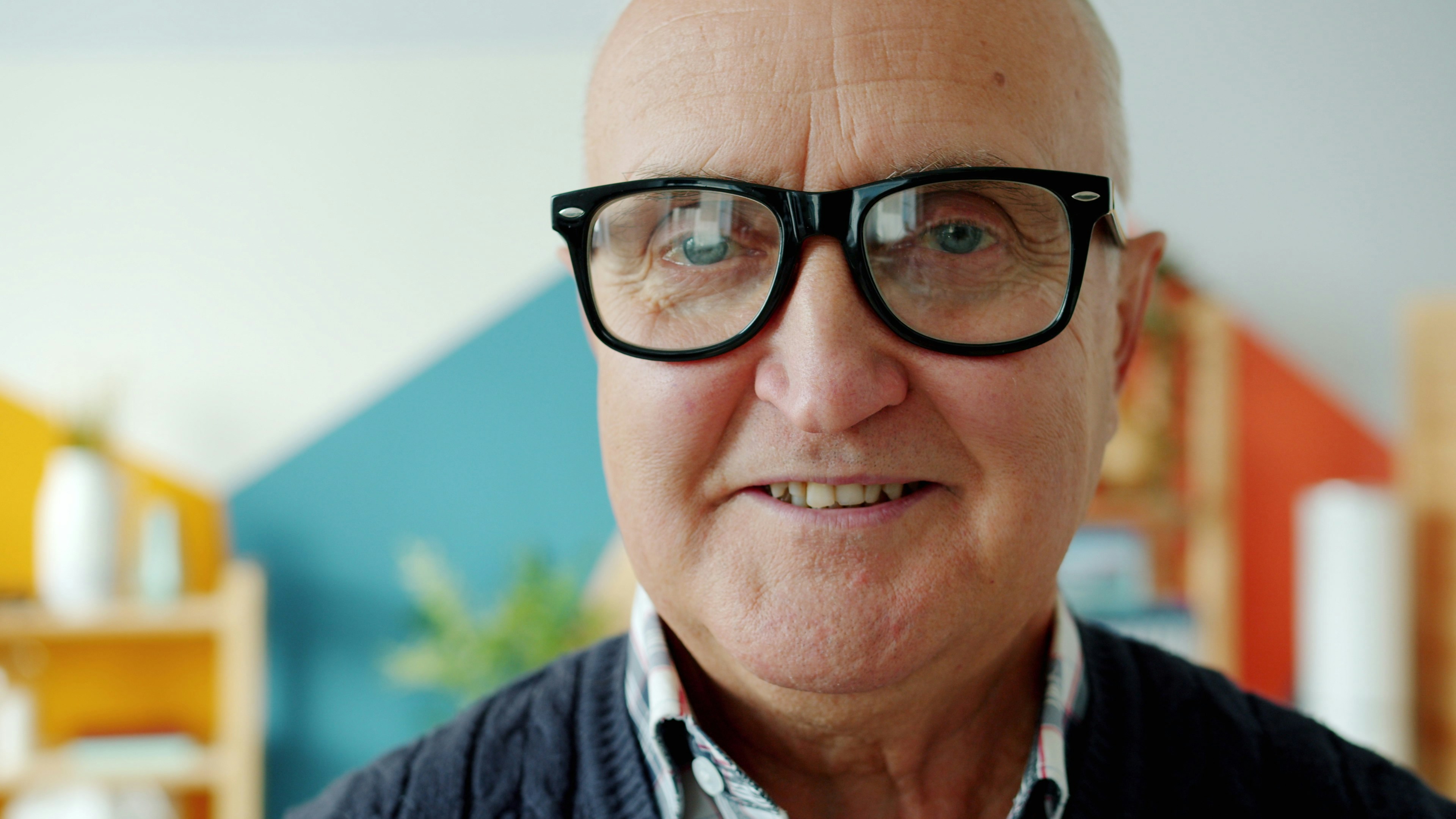
You started this work for a reason.
Maybe it was a grandmother's last year in memory care. Maybe it was a patient who taught you what it means to truly be seen. Maybe it was a gap you watched the system create — and you decided you'd build something that closed it.
Whatever the origin story, it wasn't "I want to run an SEO strategy."
But here you are.
Somewhere between opening your doors and today, the work shifted. The calendar that used to hold rounds, family meetings, and leadership time is now stacked with social posts, blog deadlines, testimonial requests, and vendor calls about ad spend. You are the founder, the director, the administrator — and now, by default, the marketing department.
This is the quiet cost most healthcare and senior living leaders don't talk about: mission drift.
The Humanity Gap Widens When Leaders Disappear
The people who built this industry didn't get into healthcare to write captions. They got in to be present — with residents, with patients, with families living through the hardest seasons of their lives.
When the founder's attention shifts from the bedside to the backend, something breaks. Not the business, necessarily. The mission.
Your team still runs the facility. Families still get care. But the stories that made your organization worth trusting — the reason a daughter chose your community for her father, the reason a patient referred three friends, the reason a nurse stayed when she could have left — those stories stop getting told. Not because they aren't happening. Because no one with a clear line of sight to them has the time to translate them.
Healthcare doesn't have a marketing problem. It has a humanity gap. And every hour a mission-driven leader spends chasing algorithms is another hour that gap widens.
What "Getting Back to It" Actually Looks Like
Reclaiming your time isn't about hustle hacks or a new scheduling tool. It's about deciding that capturing and sharing the story of your work is too important — and too specialized — to leave buried on the founder's to-do list.
Here's what healthcare and senior living leaders who've made that decision do differently:
They stop treating stories as marketing assets. A resident's transition into memory care. A nurse's first week back after burnout. A family's decision to choose hospice. Those aren't campaign material. They're the narrative infrastructure of your organization. They deserve more than a quick phone video between meetings.
They build a system, not a stream. One-off posts don't compound. A designed narrative system — one that consistently surfaces, shapes, and distributes the right stories to the right families, referrers, and team members — does. This is the difference between a marketing calendar and actual mission clarity.
They partner with people who understand the stakes. Healthcare stories carry a weight that generic agencies aren't built to hold. HIPAA-aware workflows. Trauma-informed interviews. Family consent. Clinician trust. Dignity in every frame. This isn't content work. It's narrative architecture.
You Were Called to Something More Than This
If you're reading this between a compliance review and a staff meeting, wondering how you ended up drafting your own email newsletter at 11pm, consider this your sign.
The work you started is still worth doing. The mission you named when you opened the doors is still alive inside your walls. But it needs a guide who can carry the weight of telling it — so you can carry the weight of leading it.
At The Story Society, we architect narrative systems for healthcare and healthcare-adjacent organizations whose work is too important to go unseen. Not campaigns. Not content. Infrastructure — built to honor the people inside your walls and the families outside them.
Schedule a discovery call with The Story Society. Let's get you back to the reason you started.
